研究概述

Research Overview

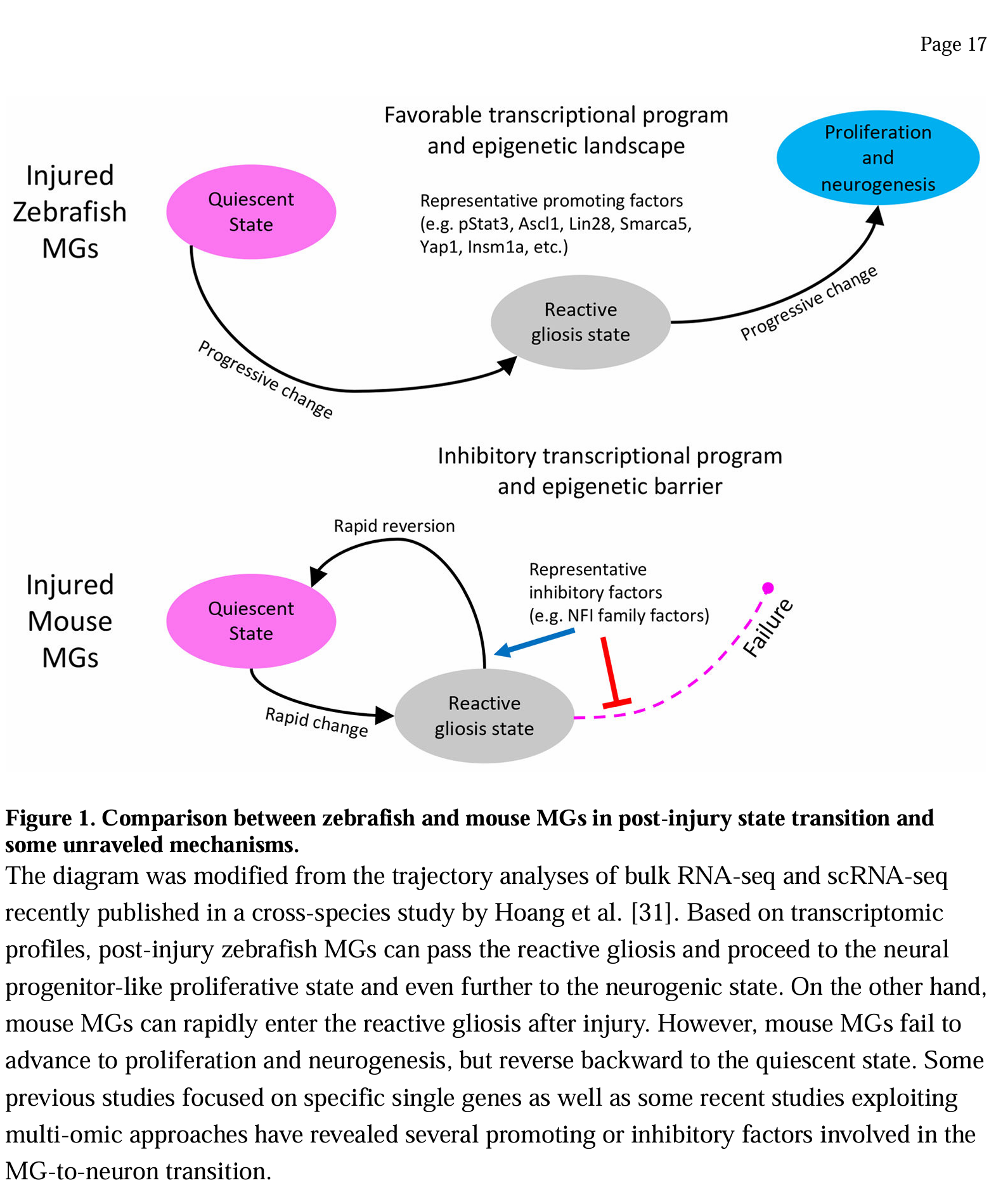
周峰泉课题组致力于神经系统损伤后的再生与修复研究,尤其关注中枢神经系统(CNS)轴突再生和功能恢复的分子机制。我们结合分子生物学、细胞生物学、遗传学、表观遗传学、和先进成像技术,探索能够促进受损神经元再生的关键信号通路和分子机制,并开发治疗神经系统疾病的创新策略。

The Zhou Lab is dedicated to studying neural regeneration and repair after injury, with a particular focus on the molecular mechanisms of axon regeneration and functional recovery in the central nervous system (CNS). We combine molecular biology, cell biology, genetics, epigenetics, and advanced imaging techniques to explore key signaling pathways and molecular mechanisms that promote regeneration of damaged neurons, and to develop innovative strategies for treating neurological diseases.

轴突再生

Axon Regeneration

我们研究中枢神经系统轴突再生的分子机制,包括内在性和外在性因素如何影响轴突再生能力。主要研究方向包括:

We study the molecular mechanisms of axon regeneration in the central nervous system, including how intrinsic and extrinsic factors influence axon regeneration capacity. Major research directions include:

  • 细胞内信号通路在轴突再生中的作用
  • 转录因子和表观遗传学调控在神经再生中的功能
  • 细胞骨架动态对轴突生长的影响
  • 微环境因素对轴突再生的调控
  • 基因组编辑技术促进轴突再生的应用
  • Role of intracellular signaling pathways in axon regeneration
  • Function of transcription factors and epigenetic regulation in neural regeneration
  • Impact of cytoskeletal dynamics on axon growth
  • Regulation of axon regeneration by microenvironmental factors
  • Application of genome editing technologies to promote axon regeneration

Axon Regeneration

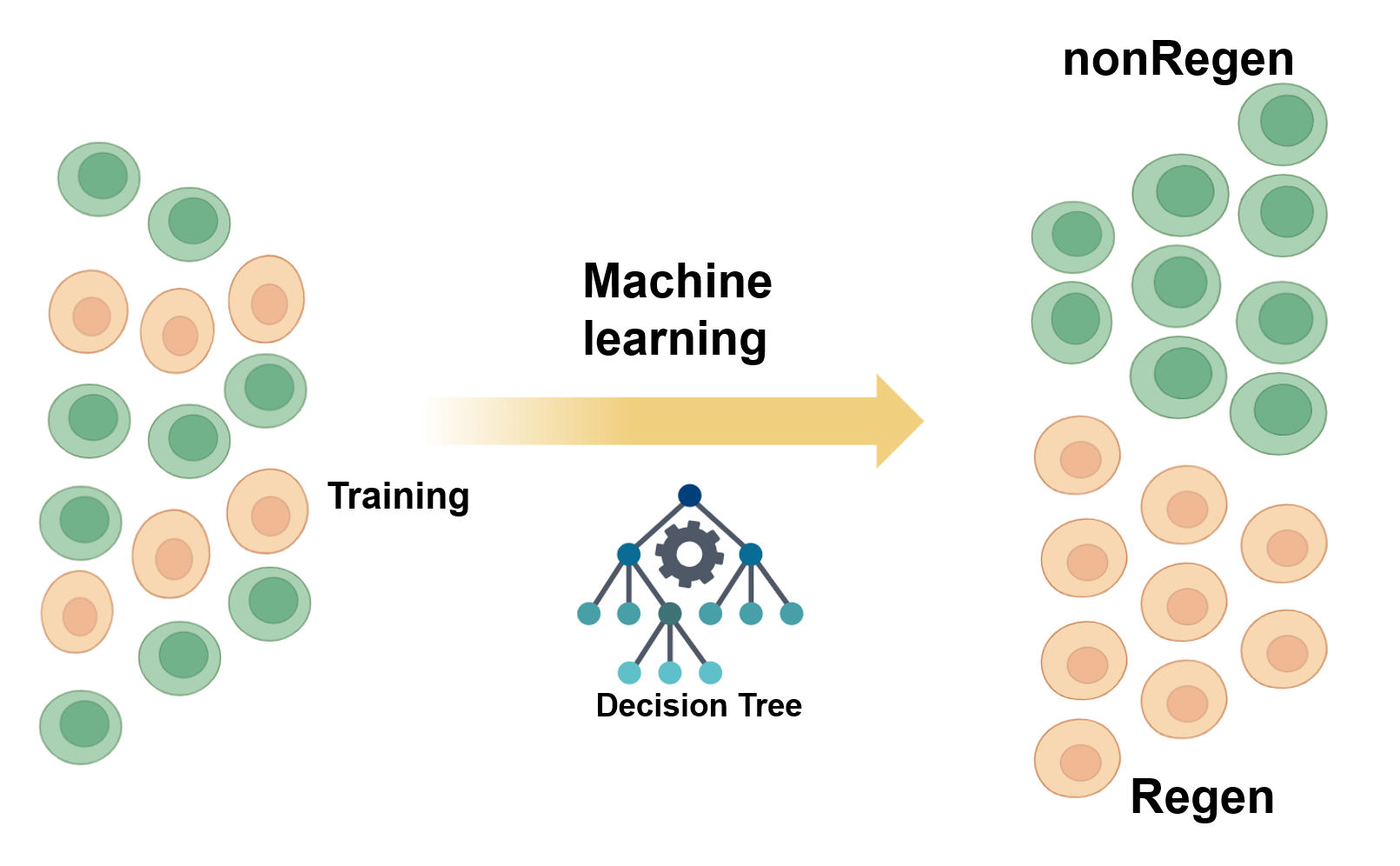
神经元命运重编程

Neuronal Fate Reprogramming

我们研究如何诱导神经元命运重编程以促进神经再生和功能恢复。这一领域的研究包括:

We investigate how to induce neuronal fate reprogramming to promote neural regeneration and functional recovery. Research in this area includes:

  • 关键转录因子在神经元命运决定中的作用
  • 表观遗传修饰对神经元身份维持和转变的影响
  • 胶质细胞到神经元的转分化策略
  • 非编码RNA在细胞命运转变中的功能
  • 创新基因递送系统的开发与应用
  • Role of key transcription factors in neuronal fate determination
  • Impact of epigenetic modifications on neuronal identity maintenance and conversion
  • Strategies for glial-to-neuronal transdifferentiation
  • Function of non-coding RNAs in cell fate conversion
  • Development and application of innovative gene delivery systems
Neuronal Fate Reprogramming

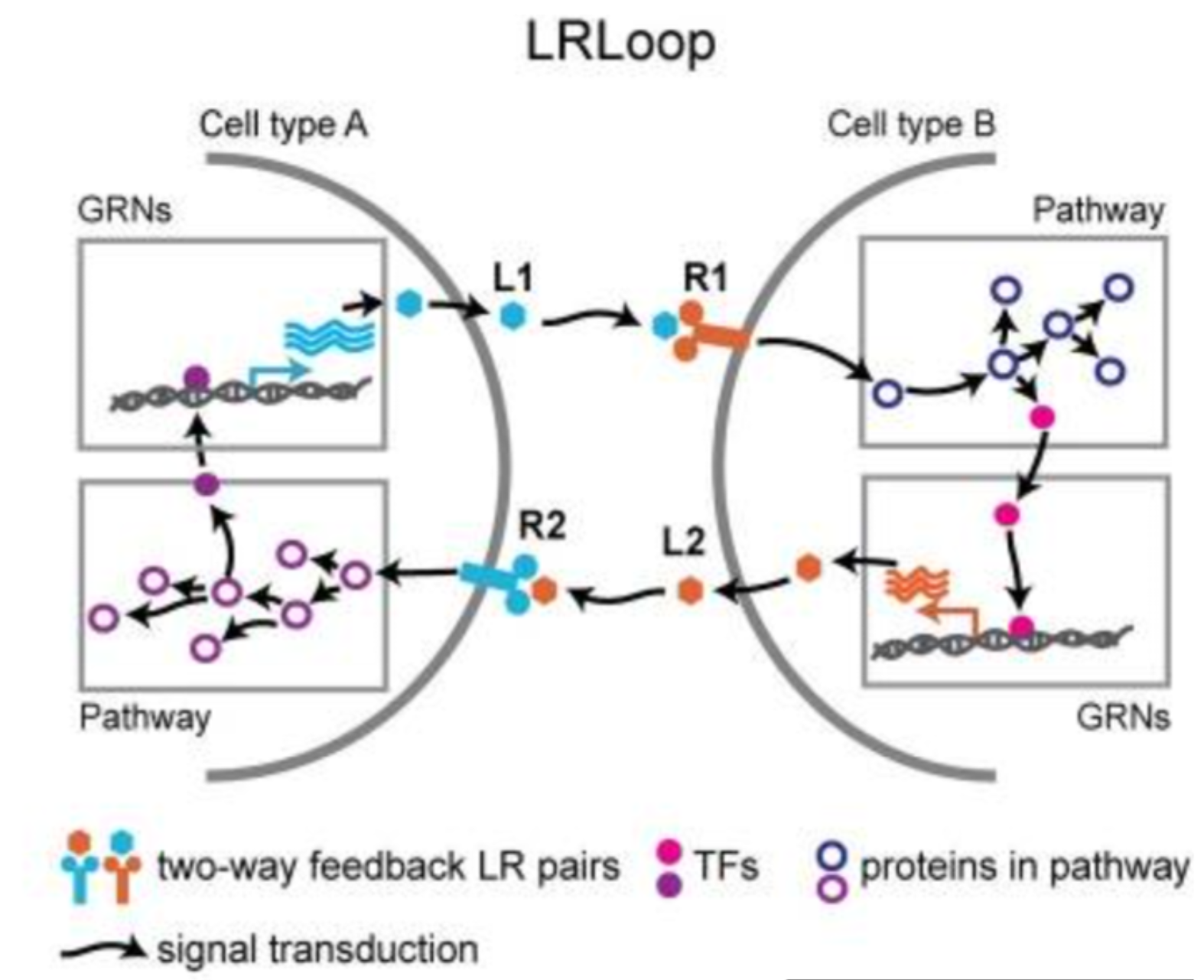
神经元-微环境相互作用

Neuron-microenvironment Interactions

我们研究神经元与微环境中其他细胞之间的相互作用如何影响神经再生和修复过程。主要研究方向包括:

We study how interactions between neurons and other cells influence neural regeneration and repair processes. Major research directions include:

  • 星形胶质细胞反应性的分子机制及其对轴突再生的影响
  • 小胶质细胞极化在神经损伤后的作用
  • 髓鞘形成细胞与轴突再生的关系
  • 神经元-胶质细胞信号传递通路的鉴定与调控
  • 炎症反应对神经再生的影响机制
  • Molecular mechanisms of astrocyte reactivity and its impact on axon regeneration
  • Role of microglial polarization after neural injury
  • Relationship between myelinating cells and axon regeneration
  • Identification and regulation of neuron-glia signaling pathways
  • Mechanisms by which inflammatory responses affect neural regeneration
Neuron-Glia Interactions

转化医学研究

Translational Research

我们致力于将基础研究成果转化为临床应用,开发治疗神经系统疾病的新策略。这一研究方向包括:

We are committed to translating basic research findings into clinical applications, developing new strategies for treating neurological diseases. This research direction includes:

  • 针对视神经损伤和脊髓损伤的基因治疗策略
  • 小分子化合物在促进轴突再生中的应用
  • 生物材料在神经修复中的功能
  • 联合治疗策略的开发与评估
  • 开发可靠的功能恢复评估方法
  • Gene therapy strategies for optic nerve injury and spinal cord injury
  • Application of small molecule compounds in promoting axon regeneration
  • Function of biomaterials in neural repair
  • Development and evaluation of combination therapy strategies
  • Developing reliable methods for functional recovery assessment
Translational Research

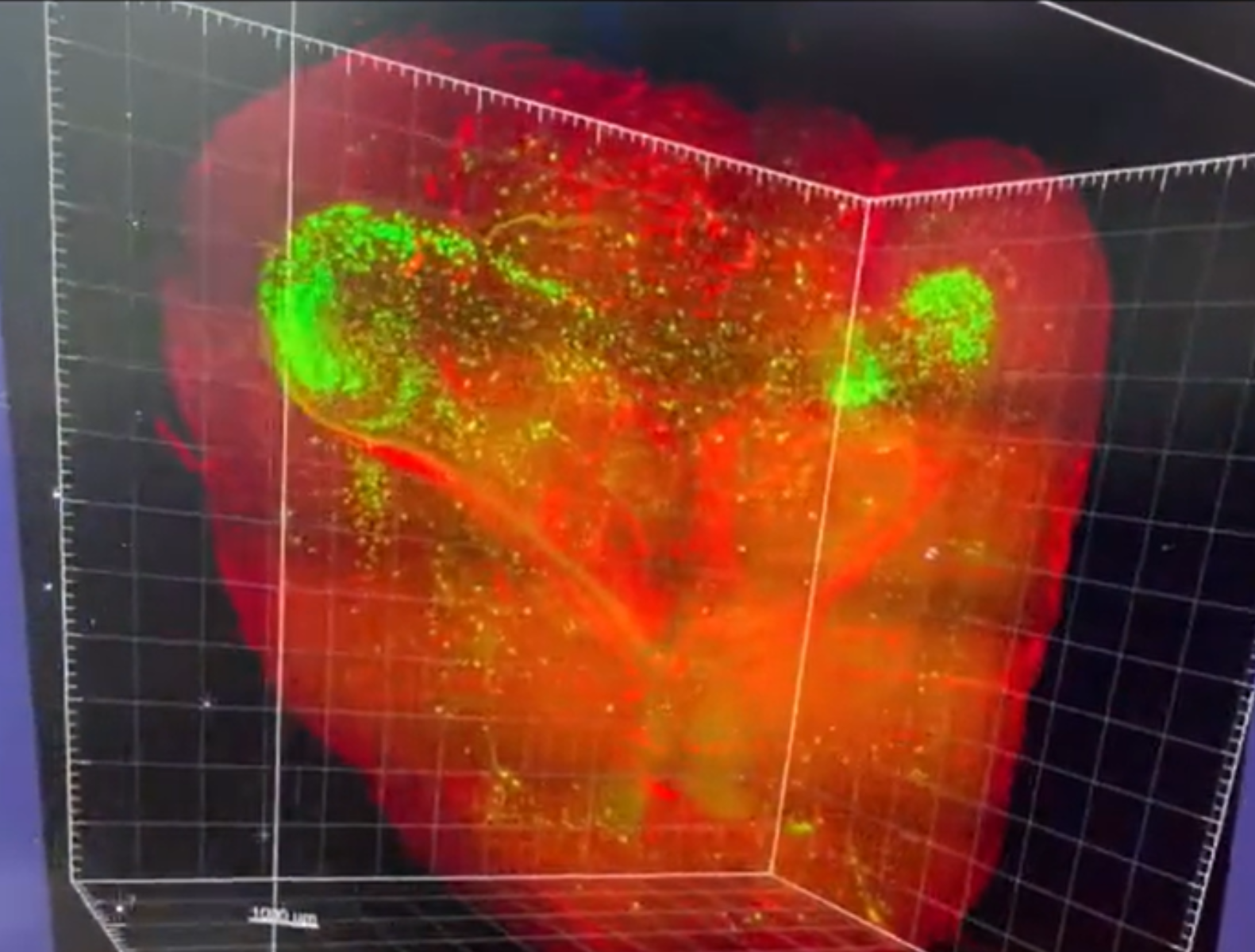
3d成像相互作用

3D Imaging Interactions

我们研究神经元与胶质细胞之间的相互作用如何影响神经再生和修复过程。主要研究方向包括:

We study High-resolution live cell imaging, tissue clearing, and high-resolution three-dimensional imaging of the whole brain/spinal cord. include:

  • 星形胶质细胞反应性的分子机制及其对轴突再生的影响
  • 小胶质细胞极化在神经损伤后的作用
  • 髓鞘形成细胞与轴突再生的关系
  • 神经元-胶质细胞信号传递通路的鉴定与调控
  • 炎症反应对神经再生的影响机制
  • Molecular mechanisms of astrocyte reactivity and its impact on axon regeneration
  • Role of microglial polarization after neural injury
  • Relationship between myelinating cells and axon regeneration
  • Identification and regulation of neuron-glia signaling pathways
  • Mechanisms by which inflammatory responses affect neural regeneration
Neuron-Glia Interactions